
CLEAN INSIGHTS / Protection & climate
Dust and dirt: underestimated risks to IT
Dust can look harmless. Its composition, distribution and the equipment affected also matter when assessing it.
Visible deposits are a starting point
Deposits on enclosures or floors show that dust is present. They do not reliably tell you the condition inside equipment. Record visible findings alongside room layout, air paths and the event that introduced the dust.
Consider the type of contamination
General dust, construction residues and metal particles need different assessment. IBM identifies metal debris from construction among potential conductive contaminants in IT environments. A photograph alone cannot reliably establish whether a particular residue is conductive or otherwise critical.
Map ingress routes and distribution
Potential routes include construction access, packaging areas, opened ceilings and uncoordinated room works. Record affected zones and where further dust may enter. Include technical support rooms and distributed IT cabinets where relevant.
Address sources as well as deposits
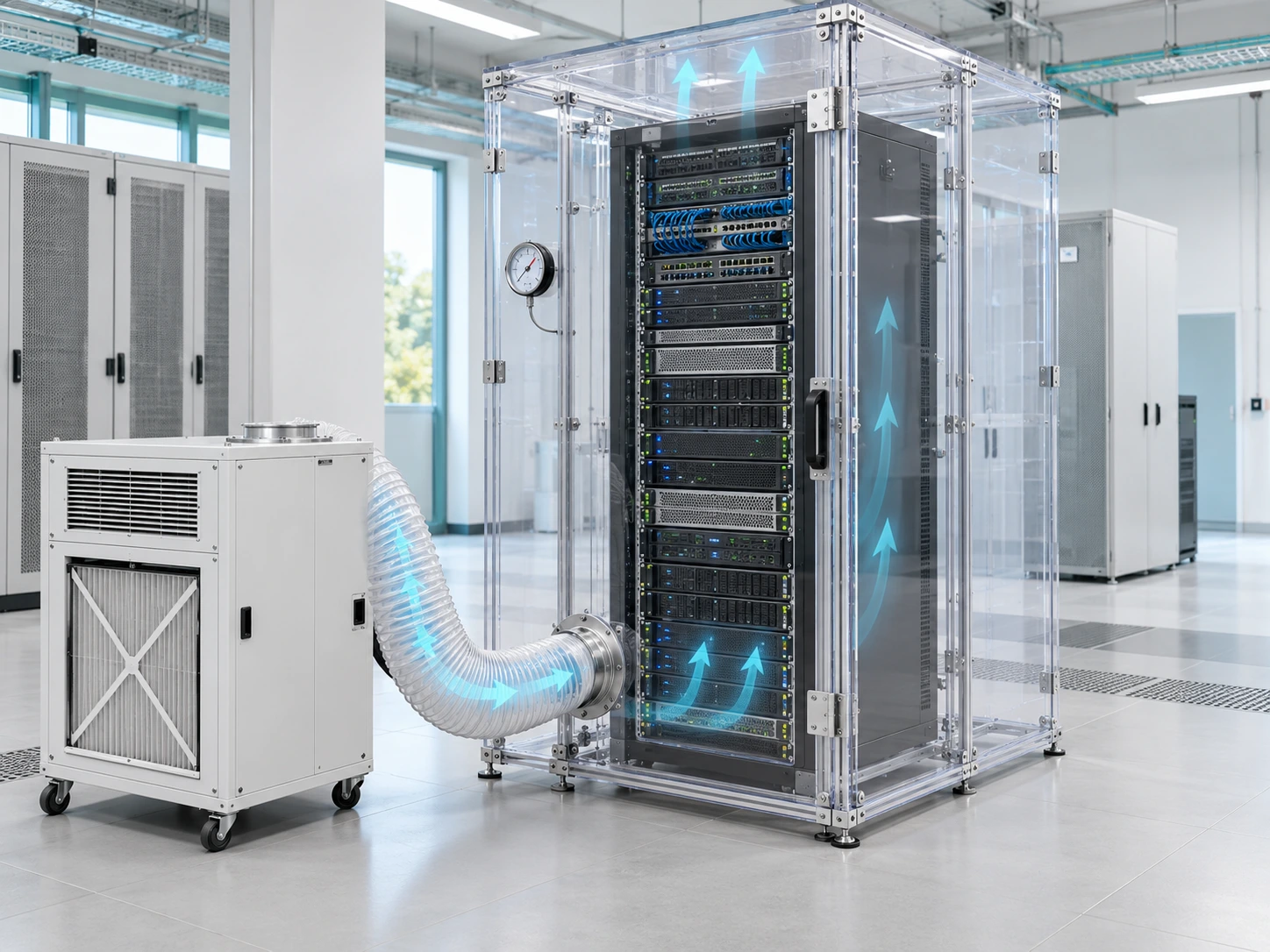
Combine cleaning with measures against renewed ingress. Access rules, construction barriers or supporting HEPA air cleaning may be appropriate. Assess internal equipment cleaning separately and agree a suitable work window.
Use measurements with a purpose
Particle counting describes the measured concentration under the stated conditions. It does not itself determine every residue’s composition or each device’s technical condition. Establish the question to be answered before commissioning measurements or further investigation.
Plan the next steps
Assign assessment, cleaning and follow-up actions to areas and responsible people. Discuss next steps promptly with IT and equipment owners after an unexpected event. Documented conditions and changes provide the basis for ongoing care.
FOR YOUR PLANNING
Your checklist at a glance
- Record affected areas and the event
- Seek assessment where dust type is uncertain
- Limit further ingress routes
- Assess room and device needs separately
- Assign actions by area and responsibility