CLEAN INSIGHTS / Prevention
Supporting the service life of your IT systems
Cleaning and condition records support IT care. Here is how to use the findings for maintenance and further decisions.
Treat cleaning as part of equipment care
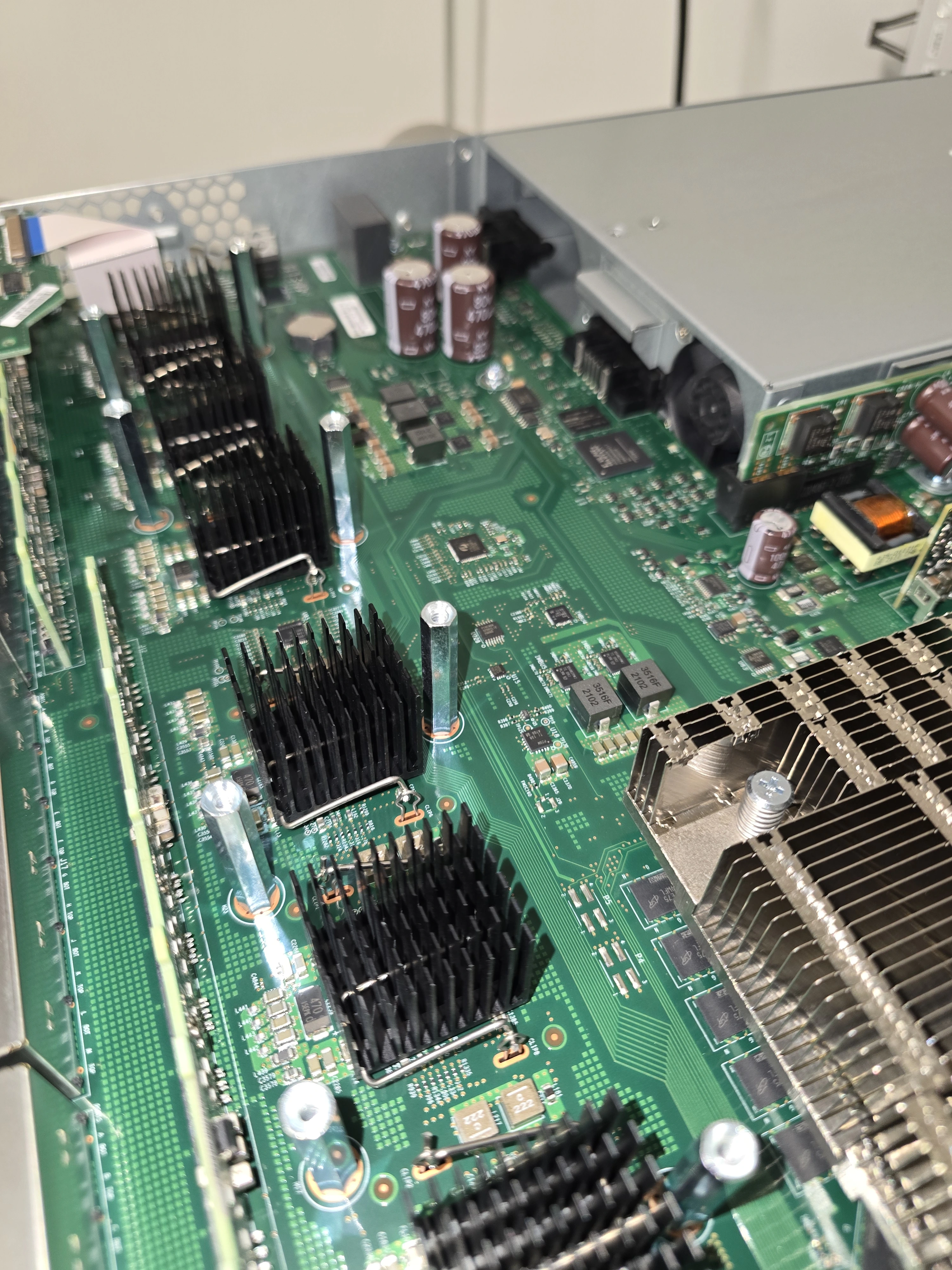
Cleaning is part of equipment care alongside technical maintenance and manufacturer requirements. Record where deposits occur and what has been done. The care needed depends on the condition and requirements of the equipment and rooms.
Assess rooms and devices together
A clean room and a contaminated equipment interior are different conditions. Distinguish room surfaces, rack areas and individual devices in the assessment. Establish the need and feasibility of internal cleaning for each device and proposed method.
Connect observations with asset information
Assign cleaning records to rooms, racks or devices. This supports comparison of recurring contamination and changing conditions over successive visits. Existing maintenance records and known events such as refurbishment help put observations in context.
Refer anomalies for technical assessment
Unusual noise, changed fan readings and repeated alarms are assessed by the responsible specialists. Observations during cleaning can reveal a need for investigation. Coordinate diagnosis, replacement and restart with the relevant equipment owners.
Adjust the work to the site
Frequent deposits may justify reviewing ingress routes and protective measures. Lightly affected areas may need a different inspection rhythm. Base changes on documented conditions and discussion rather than repeating the initial schedule without review.
Support decisions with clear findings
A structured history of condition assessments, cleaning and outstanding items helps planning. The responsible team decides whether equipment should remain in service, be repaired or replaced, considering the full technical and economic picture. Cleaning alone cannot establish a fixed extension of service life.
FOR YOUR PLANNING
Your checklist at a glance
- Distinguish room and device condition
- Assign records to assets
- Compare recurring observations
- Refer technical anomalies
- Review care plans when conditions change